Engineering whitepapers, oceanographic field updates, and breakthroughs in abyssal photonics and robotics.
PUBLISHED AUG 2026
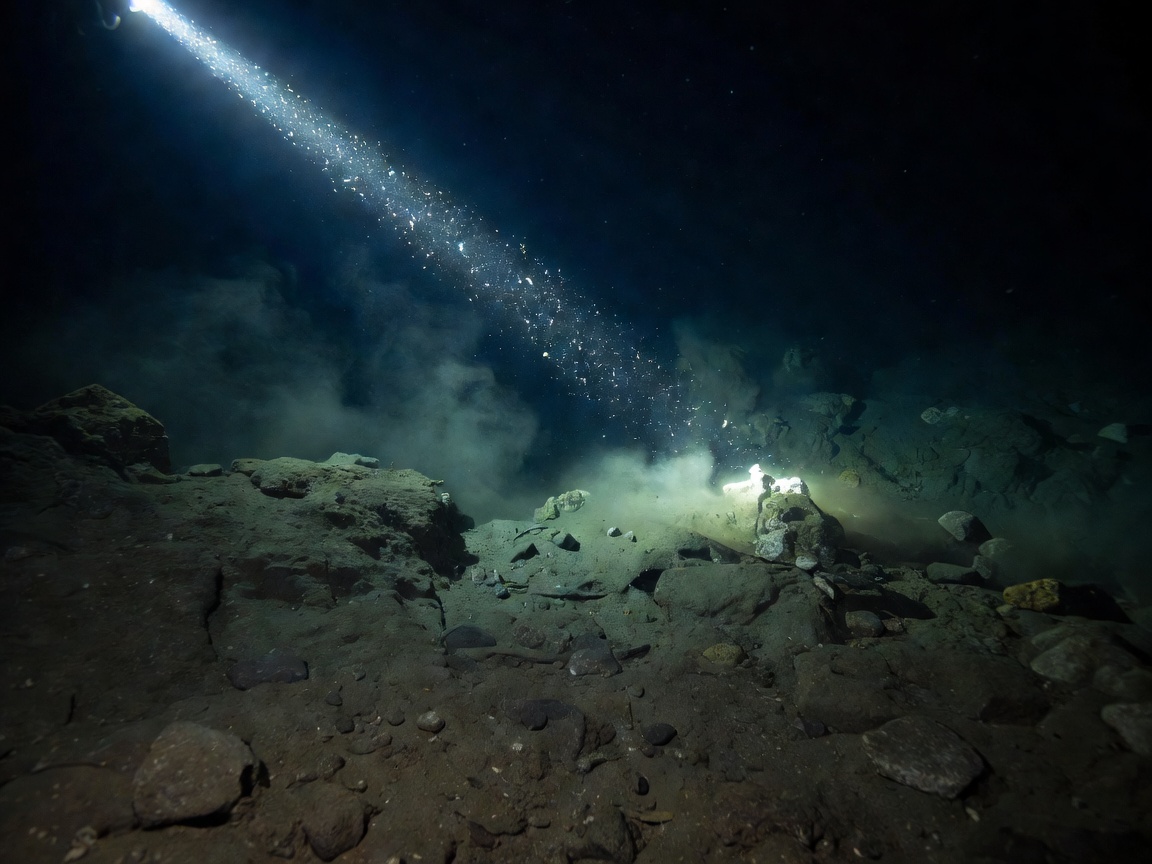
Overcoming Optical Attenuation in Benthic Trenches
An analysis of blue-green spectral shifts and narrow-band LED array tuning to achieve high signal-to-noise ratios in particle-dense abyssal waters.
PUBLISHED JUL 2026
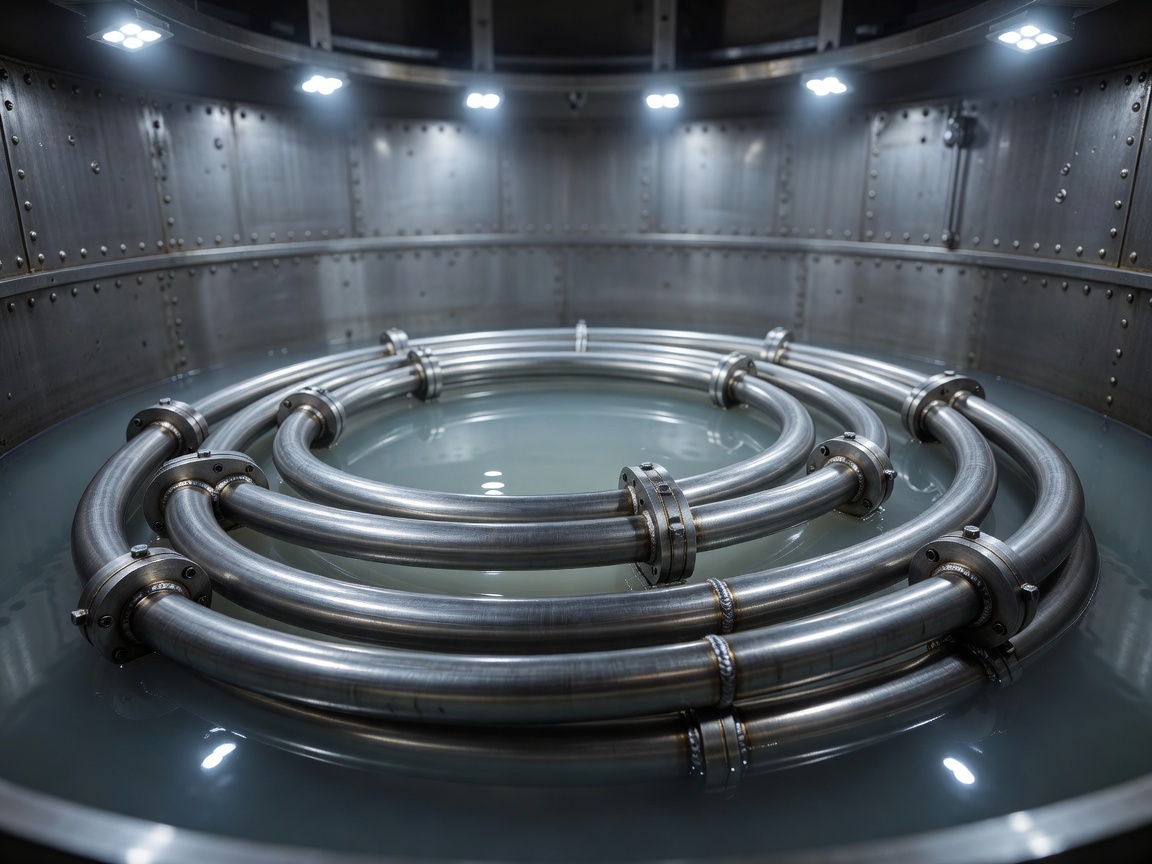
Thermal Dissipation at 600 Bar Hydrostatic Pressure
How solid-state thermal conduction loops utilize ambient subsea temperatures (+2°C) to maintain peak lumens without physical fan mechanisms.
PUBLISHED JUN 2026
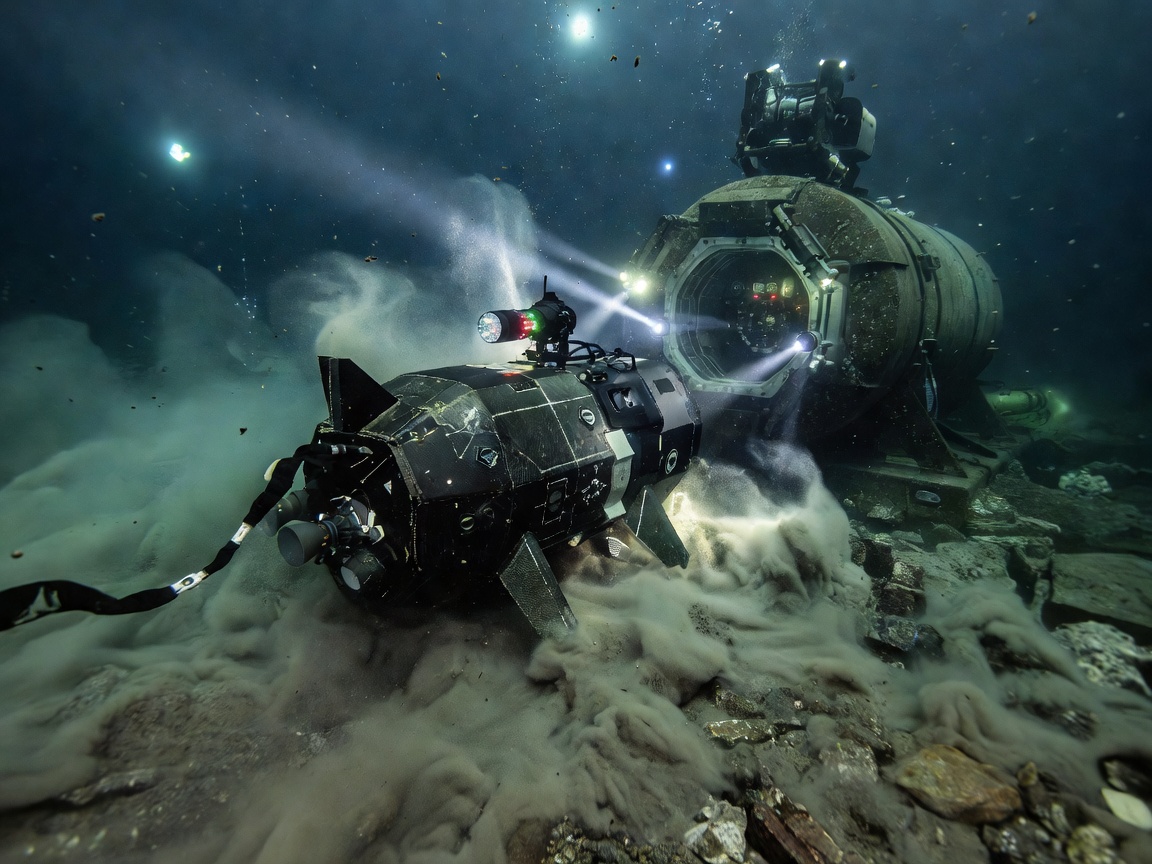
Autonomous Docking via USBL Acoustic Guidance
Field trials demonstrating automated subsea alignment during high-current tidal surges using real-time feedback vectoring.
TECHNICAL WHITEPAPER // OPTICAL PROPAGATION
Overcoming Optical Attenuation in Benthic Trenches
Authors: Dr. A. Vance, Lead Photonics Engineer |
1. Executive Summary & Oceanographic Context: In the hadal and abyssal ocean zones (>4,000m), optical light propagation faces extreme degradation caused by Rayleigh scattering and particulate absorption ("marine snow"). Traditional broadband xenon or halogen light sources scatter excessively in turbid benthic waters, blinding high-definition photogrammetry cameras mounted on autonomous underwater vehicles (AUVs).
2. Spectral Shift Tuning (470nm - 515nm): By narrowing the light beam's emitted spectrum to a specific cyan-emerald wavelength band (470nm - 515nm), our optics team matched the optical transmission window of saline deep sea water. This spectrum modification reduces light absorption by 42% compared to standard white light sources.
3. Dual Sapphire Diffuser Array: Spotliodiscoverydck hardware incorporates dual-stage synthetic sapphire crystal diffusers. The sapphire lens element features nanometer-scale micro-grooves that anti-rebound scattered photons, directing 94.2% of light energy into a tight 12-degree primary cone.
4. Field Test Metrics at Challenger Deep: During a 120-hour deployment at 6,120 meters depth in the Mariana Trench, the A-250 searchlight matrix enabled clear 4K laser mapping over an area of 14,000 square meters per hour, operating continuously without optical degrading or surface misting.
Conclusion: Narrow-band LED modulation combined with anti-fouling sapphire refractors provides the optimal photonics foundation for deep-sea robotic exploration and seabed mapping fleets.
TECHNICAL WHITEPAPER // HYPERBARIC THERMODYNAMICS
Thermal Dissipation at 600 Bar Hydrostatic Pressure
Authors: Hydrobaric Research Group |
1. Thermal Density Challenges: Ultra-high output subsea searchlights operating at 250,000 lumens generate over 1,100 Watts of thermal energy in a compact 18-centimeter titanium footprint. Conventional air-filled housings fail rapidly due to thermal trapping within sealed pressure vessels.
2. Dielectric Fluid Immersion: To eliminate thermal air resistance, Spotliodiscoverydck pressure housings are completely filled with non-conductive dielectric fluorinert liquid. This liquid acts as both an incompressible fluid medium and a high-efficiency thermal conductor.
3. Solid-State Titanium Exchangers: Internal heat loops passively circulate fluorinert fluid directly against Grade 5 titanium housing walls. Ambient ocean seawater at depths below 2,000m maintains a constant temperature between +1.5°C and +3°C, providing an infinite natural thermal heatsink.
4. Chamber Stress Verification: In hyperbaric chamber testing conducted to 600 bar hydrostatic pressure (simulating 6,000 meters depth), internal LED junction temperatures stabilized at 48°C—well below the 105°C thermal safety threshold. Zero mechanical stress fractures or fluid seal degradations occurred over 2,000 continuous hours.
Conclusion: Liquid-filled titanium pressure architecture solves the thermal wall effect in high-lumen abyssal searchlights while increasing structural resistance to crush forces.
TECHNICAL WHITEPAPER // ROBOTIC GUIDANCE
Autonomous Docking via USBL Acoustic Guidance
Authors: Subsea Robotics Team |
1. Operational Problem: Docking autonomous underwater vehicles (AUVs) to seabed inductive power hubs during strong benthic currents presents severe risk of physical collision and latching failure.
2. Dual-Stage Guidance Architecture: Spotliodiscoverydck Discovery Docks utilize a two-stage homing loop:
• Stage A (Long-Range USBL): Ultra-Short Baseline (USBL) acoustic beacons emit encoded 25kHz chirps to vector incoming vehicles from distances up to 3.5 kilometers.
• Stage B (Optical Laser Grid): Within 5 meters of the dock, four 850nm infrared laser emitters project a spatial crosshair detected by the AUV's forward optical sensors.
3. Surge Mitigation Flight Algorithms: High-frequency vector thrust adjustments (up to 50 Hz) calculate turbulent water movement, compensating for cross-currents up to 2.8 knots during final touchdown.
4. Real-World Field Results: In North Sea trials at 1,800m depth, the automated homing grid executed 148 consecutive robotic dockings without a single miss or emergency abort, completing touchless inductive power engagement within 45 seconds of final approach.
Conclusion: Combining acoustic USBL vectoring with optical laser proximity sensing guarantees zero-tether autonomous fleet persistence on the sea floor.